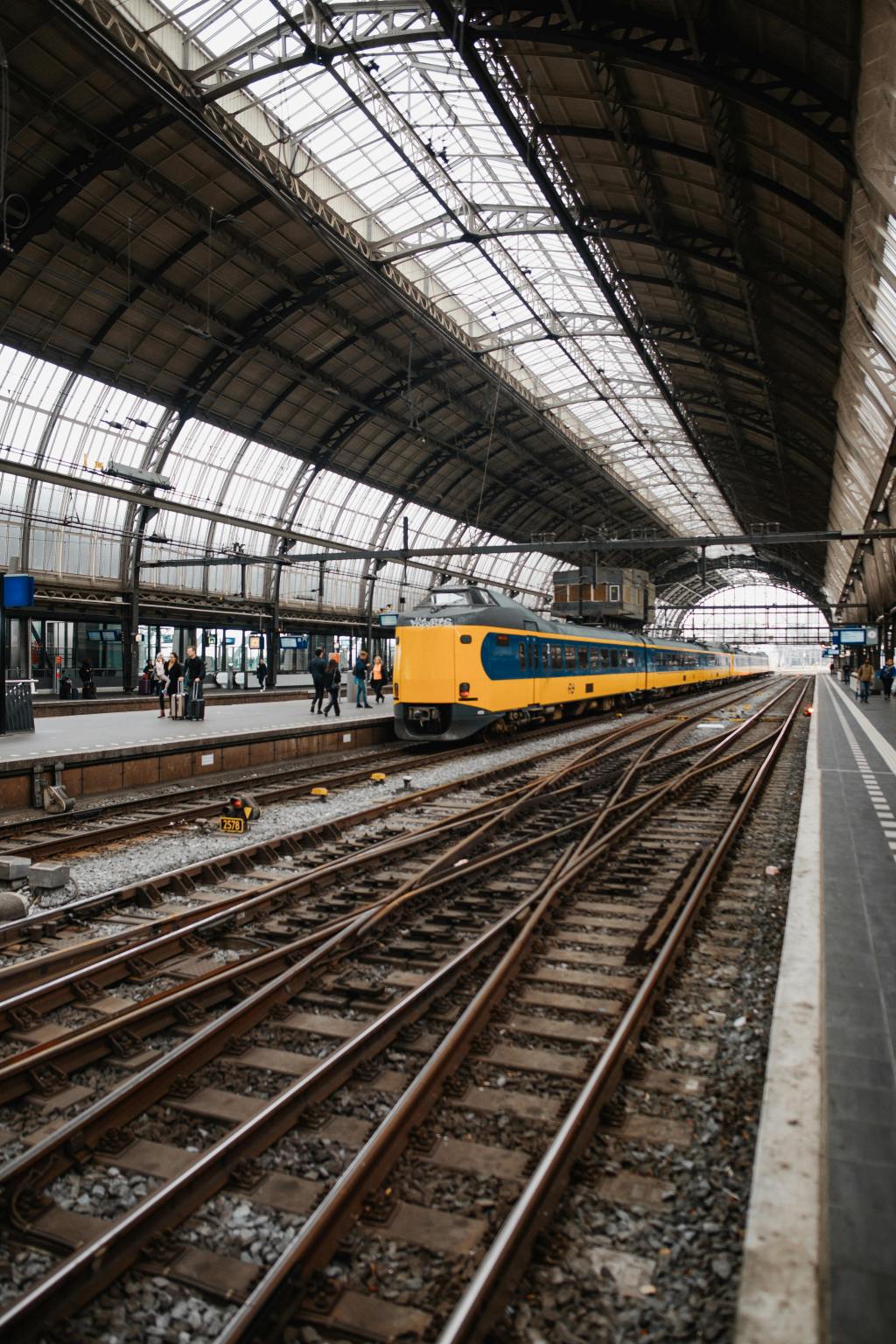
Getting around Amsterdam is a city known for its stunning canals, rich culture, and vibrant neighborhoods. Whether you’re visiting for a weekend, or you plan to stay longer, it’s incredibly easy to get around the city. This ease is thanks to its well-connected and efficient public transport system. The public transport network in Amsterdam includes trams, buses, metros, and ferries. It lets you explore the city quickly and comfortably. In this guide, we’ll explain everything you need to know about using public transport in Amsterdam. This will guarantee that you can move around the city with ease.
What to Know About Public Transport in Amsterdam
The public transport system in Amsterdam is operated by GVB, the main public transportation company. GVB provides services for trams, buses, metros, and ferries within the city. It is the backbone of the city’s transport network. Here are a few key points to help you understand how it works:
- Trams are the most popular and convenient way to get around central Amsterdam. They travel along set routes. Trams make frequent stops. This makes it easy to hop on and off as you explore different neighborhoods and landmarks.
- The metro is perfect for longer distances. It is especially useful if you want to visit neighborhoods outside of the city center. Examples include Bijlmer, Amsterdam-Noord, or Amstelveen.
- Buses run throughout the day and night, with regular stops in both the city center and the surrounding areas. There are even night buses (marked with an “N” on the schedule) that help you get around late at night.
- Ferries are a unique feature of Amsterdam’s public transport system. They offer free service across the IJ River, connecting Amsterdam Central Station with the northern part of the city (Amsterdam-Noord). These ferries run frequently and are an essential part of getting around.
To use public transport in Amsterdam, you’ll need an OV-chipkaart (a contactless smart card). You can also use a contactless payment method such as a debit/credit card or mobile wallet. This is necessary for checking in and out of any form of transport. It ensures that you’re charged the correct amount based on your journey.
How It Works in Practice: Understanding the Process
The system in Amsterdam is incredibly easy to use. Once you’ve got your OV-chipkaart or contactless payment method set up, you’re good to go. Simply check in when you board your tram, bus, or metro. Then, check out when you reach your destination. Card readers are located at every door of the tram or bus. In metro stations, readers are also clearly present at the entrance and exit.
Here’s how to use public transport in practice:
- When you board a tram, bus, or metro, simply tap your OV-chipkaart or contactless card against the card reader. A green light will indicate that you’ve successfully checked in.
- When you get off, tap your card again at the exit reader. A green light confirms that you’ve checked out. The system will automatically calculate the fare based on the distance you’ve traveled.
- If you’re using a debit/credit card or mobile wallet, the process is the same. Just tap your card at the readers to check in and out.
The GVB Day Pass is one of the most convenient options for tourists. It offers unlimited travel for a set number of days (1-7 days). This pass allows you to hop on and off trams, buses, and metros as many times as you like. You can do this within the validity period. It’s a great option if you plan to use public transport frequently during your stay. You can purchase the GVB Day Pass online at this link. Alternatively, you can buy it at various locations in the city. These include GVB service points, ticket machines at metro stations, or from tram conductors.
Useful Tips: Expert Advice for a Smooth Experience
Here are some practical tips that will help you make the most of Amsterdam’s public transport system:
- Always check in and check out, even on free ferries! Many visitors make this common mistake. Be sure to tap your card when boarding. Also, tap your card when disembarking.
- Use Google Maps or the 9292 app to plan your routes and get real-time updates about public transport schedules. These apps are incredibly helpful for figuring out how to get from one place to another in Amsterdam. They are especially useful if you’re in a rush. They also help if you need to catch a specific tram or metro.
- 9292 for iOS
- 9292 for Android
- Avoid peak hours (8:00–9:30 AM and 4:30–6:00 PM) when the trams and metros can get crowded. If you can, try to travel outside these hours to have a more relaxed journey.
- Opt for the metro if you’re traveling with luggage. Trams can be crowded and have limited space for large bags. The metro has plenty of room for all your belongings.
- Children under the age of 4 travel for free on public transport. Children between 4 and 11 years old are eligible for discounted tickets.
- Buy a GVB Day Pass if you’re staying for a few days and plan to use public transport often. It offers great value for money, especially for tourists who want unlimited travel.
Maps and Locations: Find Your Way Around with Ease
GVB offers route maps, ticket options, and more on their website at www.gvb.nl. You can also visit the public transport desk at Amsterdam Central Station to get information and tickets. At most tram and metro stops, you’ll find clear route maps. Digital screens show real-time information about departures. This makes it easy to navigate the system. You can grab a physical map at any GVB service point. Alternatively, use the mobile apps for more detailed information.
Frequently Asked Questions (FAQ): Answers to Your Common Queries
Q: Can I use the same card for trams, buses, and the metro?
A: Yes! The OV-chipkaart and contactless payment methods work across all GVB-operated services, including trams, buses, metros, and ferries.
Q: Are taxis part of the public transport system?
A: No, taxis are private services and not part of the public transport network. Taxis can be convenient. However, they tend to be much more expensive than public transport. This is especially true during peak times or when traveling longer distances.
Q: How late do trams and metros run?
A: Most trams and metro services stop around midnight. However, if you’re out late, you can catch one of the night buses (marked “N”) that operate after midnight. They serve the city with frequent service.
Q: Are there choices for a transport pass?
A: Yes, GVB offers various passes for tourists. One option is the GVB Day Pass. It allows unlimited travel for a set number of days. You can also choose multi-day passes if you plan extensive travel during your trip. Alternatively, a 24-hour pass is available.
 Amsterdam Guide
Leave a comment