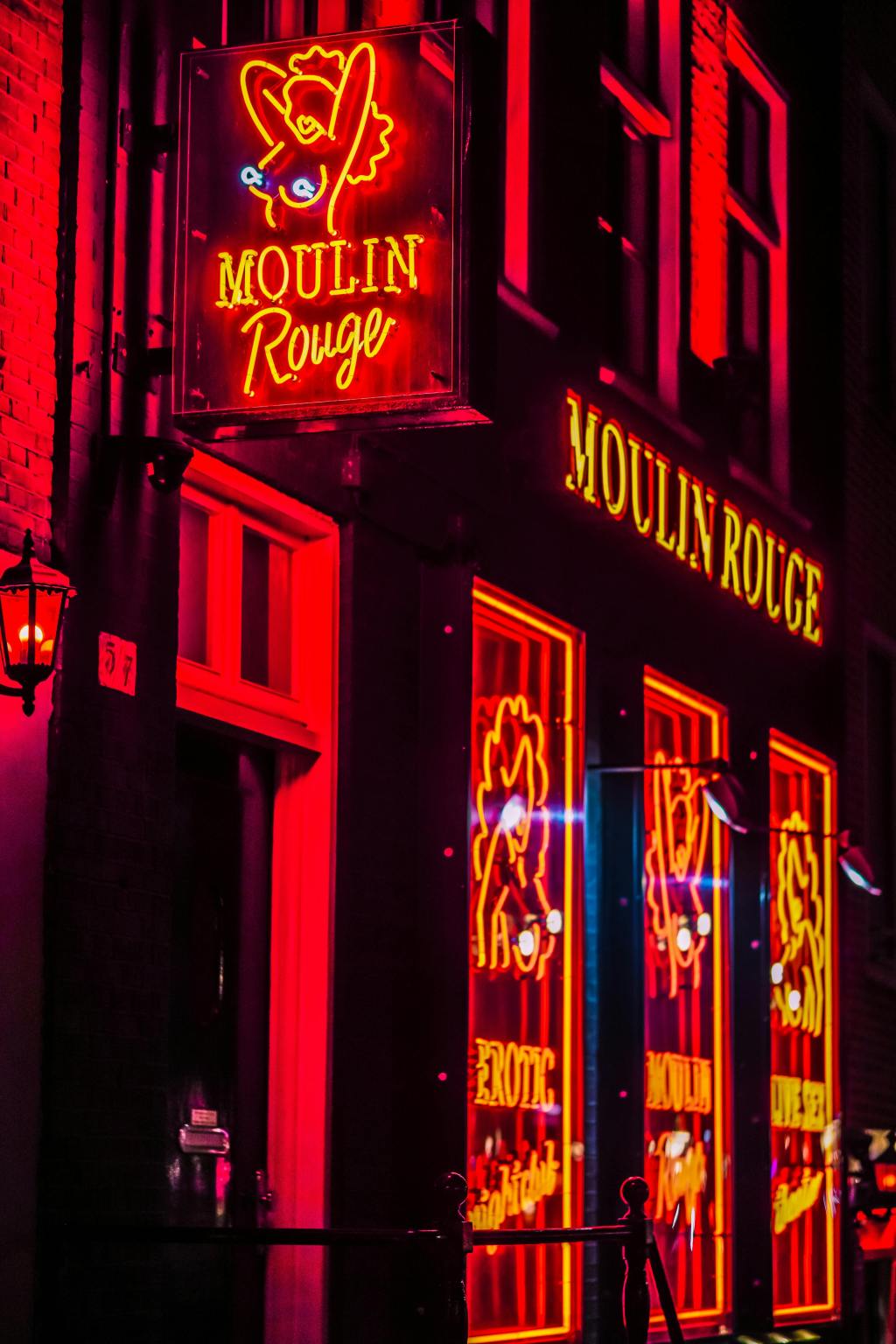
Introduction to De Wallen: The Red Light District of Amsterdam
De Wallen, internationally known as Amsterdam’s Red Light District, is one of the city’s most famous and visited neighborhoods. Located in the oldest part of the city, this vibrant area blends centuries of history with a unique, open-minded culture. While De Wallen is often associated with its red-lit windows and nightlife, it offers much more: from beautiful canals and architecture to fascinating museums and historic landmarks.
As one of Amsterdam’s top attractions, De Wallen draws millions of visitors each year. Whether you’re interested in the area’s liberal attitude, cultural history, or just want to explore the city’s roots, De Wallen offers a truly unforgettable experience.
A Glimpse into the History of De Wallen
De Wallen is not only one of the oldest neighborhoods in Amsterdam, but also one of the most historically significant. The district dates back to the 14th century and developed around the Oude Kerk (Old Church), which remains a centerpiece of the area to this day. Originally, the area was home to sailors and tradesmen, and with the city’s growth as a major port, services like taverns and brothels naturally followed.
Over the centuries, De Wallen evolved alongside Amsterdam, reflecting its tolerant and progressive character. Today, the neighborhood serves as a symbol of the city’s approach to personal freedom, regulation, and public health—especially regarding the legal and regulated sex work industry.
What to See and Do in De Wallen Amsterdam
The Oude Kerk (Old Church)
Located in the heart of De Wallen, the Oude Kerk is Amsterdam’s oldest building, founded in 1213. This gothic church is not only a stunning architectural monument but also hosts modern art exhibitions and concerts. Climb the church tower for panoramic views over Amsterdam’s city center.
Museum of Prostitution (Red Light Secrets)
For those curious about the district’s most talked-about industry, the Museum of Prostitution offers an educational and respectful look into the lives of sex workers. Located in a former brothel, the museum provides personal stories and insight into one of the world’s oldest professions.
Erotic Museum & Cannabis Museum
De Wallen also features other niche museums like the Erotic Museum, which explores the role of eroticism in art and culture, and the Hash, Marihuana & Hemp Museum, which focuses on the history and uses of cannabis.
Canal Tours and Walking Tours
A great way to discover the Red Light District is through a guided walking tour, where local guides share stories about the area’s past and present. You can also take a canal cruise through the nearby waterways for a scenic view of the historic center.
The Modern Face of De Wallen: More Than Red Lights
While De Wallen is often linked to its legal sex work industry, the neighborhood has undergone many changes in recent years. The City of Amsterdam has launched initiatives like Project 1012, aimed at improving the quality of life in the area and reducing criminal activity. As a result, many windows have closed, and art studios, coffee shops, and boutique stores have opened in their place.
Today, De Wallen offers a diverse mix of activities: from tasting artisanal cheeses and local craft beers to browsing quirky shops and art galleries. It’s a neighborhood where history and modernity meet, giving it a unique energy that’s different from anywhere else in the city.
Tips for Visiting De Wallen in Amsterdam
- Visit during the day if you want to explore the architecture, churches, and museums in a quieter atmosphere.
- At night, the area transforms into a bustling nightlife hub with bars, clubs, and entertainment.
- Photography of sex workers or windows is strictly prohibited—respecting privacy is important here.
- Keep an eye on your belongings, especially in crowded areas.
- Consider taking a guided tour for deeper insights into the neighborhood’s culture and history.
The Local Culture and Community
Despite its global reputation, De Wallen is also home to a vibrant local community. Many Amsterdammers live and work in the area, contributing to its authenticity. Over the years, artists, students, and entrepreneurs have helped shape De Wallen into a neighborhood with a unique mix of cultures.
Several social and cultural initiatives also support sex workers’ rights, education, and safety, making Amsterdam’s approach to regulation a model for other cities around the world.
Getting to De Wallen: Location and Accessibility
De Wallen is located in Amsterdam’s city center, just a short walk from Centraal Station. It’s easily accessible by foot, bike, or public transport. The neighborhood is bordered by some of Amsterdam’s most beautiful canals and is just steps away from Dam Square, the Royal Palace, and Nieuwmarkt.
If you’re coming from other neighborhoods like Jordaan, De Pijp, or the Museum Quarter, you can reach De Wallen in under 15 minutes by tram or bike.
 Amsterdam Guide
Leave a comment